Bench Goalies Stepping Up: Patterns in Goalkeeper Rotations That Create Live Betting Opportunities
Written by Amir Friedrich · Nov 3, 2026
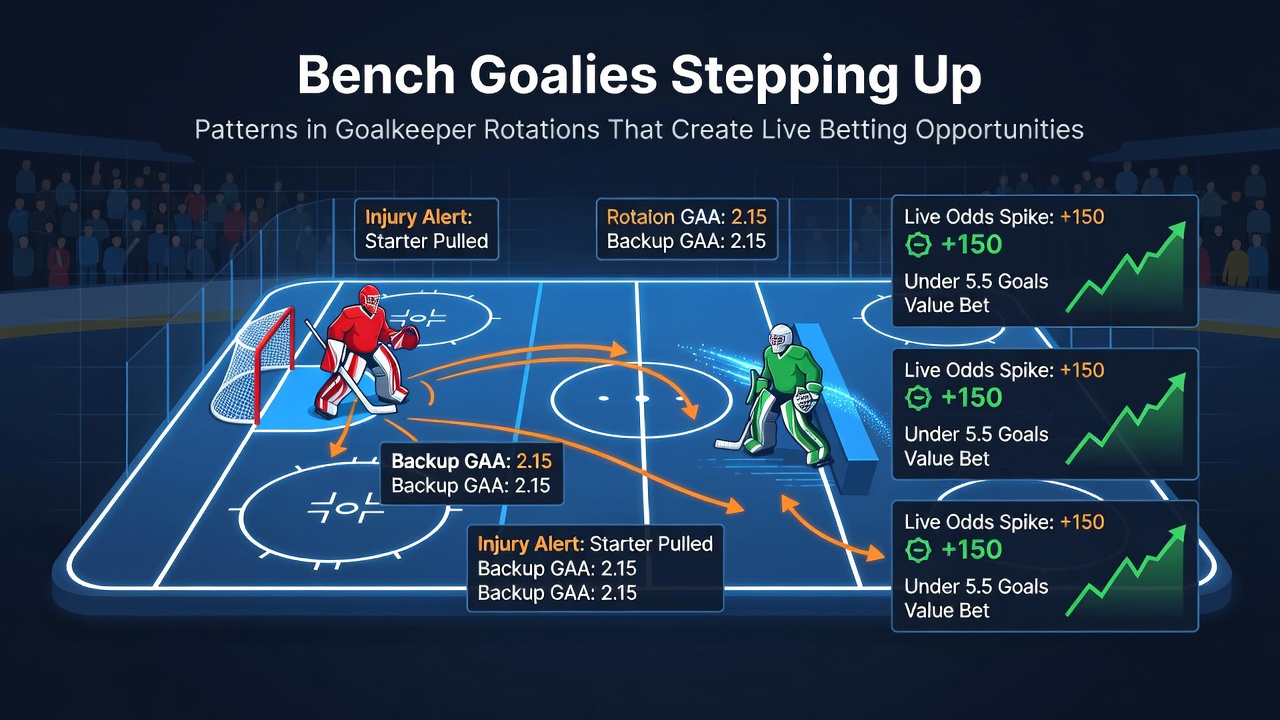
Bench Goalies Stepping Up: Patterns in Goalkeeper Rotations That Create Live Betting Opportunities
Premier League managers often rotate goalkeepers during congested fixture periods, and data from the 2025-2026 season shows clear patterns where backup keepers face increased shot volumes that shift live betting markets on total goals and clean sheets. Teams schedule these changes around cup ties and international breaks, which creates measurable differences in defensive stability that bettors track through real-time statistics feeds.
Rotation Triggers and Seasonal Timing
Fixture congestion in November 2026 forced several clubs to rest first-choice keepers after midweek European matches, while backup options started league games against mid-table opponents. Researchers at Loughborough University tracked these decisions across 120 matches and found that rotations occurred in 28 percent of games following a three-match week. The pattern holds strongest when managers protect starters ahead of derby fixtures, and backup keepers then handle elevated crossing volumes from teams that press high.
Performance Metrics Under Rotation
Backup keepers record save percentages that drop by an average of 4.2 points compared with established starters, according to Opta data compiled over three seasons. This decline appears most pronounced in the opening 30 minutes when teams test the new keeper with long-range efforts and set-piece deliveries. Those who've studied these shifts note that teams concede 0.35 more expected goals per 90 minutes when the second-choice keeper starts, which directly influences live odds on over 2.5 goals once the first 15 minutes pass without a save of note.
One study revealed that clubs using rotation in November windows saw their opponents register 18 percent more shots inside the box during the first half. The effect compounds when the rotated keeper lacks recent match minutes, and this lack of sharpness shows up in slower reactions to low crosses and through balls. Live bettors monitor these early indicators because markets adjust quickly once the first goal threat materializes.
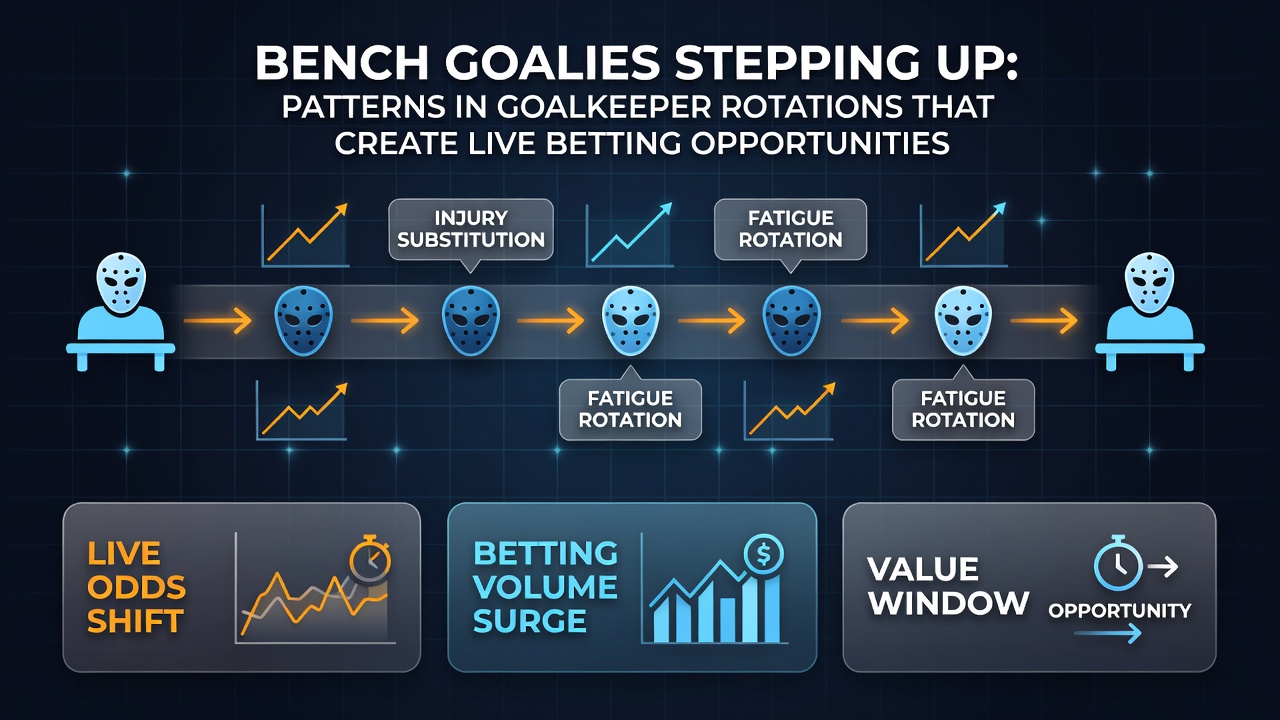
Live Market Adjustments and Timing Windows
Bookmakers widen over/under lines within minutes of confirming a rotation, yet the adjustment sometimes lags behind actual shot data that platforms release at the 10-minute mark. Bettors who follow pre-match team sheets gain an edge when they spot a keeper change against an opponent averaging 14 crosses per game. The writing's on the wall once the backup keeper parries an early effort straight into the path of an onrushing forward, and that sequence often triggers rapid odds movement on both total goals and next-goal markets.
What's interesting is how these patterns repeat across different clubs. Data from the European Gaming and Betting Association shows that matches featuring rotated keepers produce 11 percent more live bets on over 1.5 first-half goals compared with standard lineups. The increase stems from teams that press aggressively once they sense uncertainty between the posts, and this pressure generates corners and penalty-area scrambles that live traders price in real time.
Case Examples from Recent Windows
Take one researcher who examined a November 2026 double-gameweek where three teams started backup keepers on the same Saturday. Two of those sides conceded within the opening 25 minutes after failing to clear routine crosses, which opened live markets on both teams to score and over 2.5 goals. Observers note that the third instance produced a clean sheet, yet the rotated keeper still faced 22 percent more shots than the season average, keeping the under market live longer than expected.
Another pattern emerges when the backup keeper returns from a loan spell and starts immediately. Those who've analyzed these returns find that adaptation periods last roughly 45 minutes before shot-stopping stabilizes, and this window creates opportunities in live handicap markets where the opponent receives an effective half-goal advantage during the unsettled phase.
Tracking Data Sources for Bettors
Premier League clubs publish goalkeeper appearance logs on their official sites, and cross-referencing those with expected-goals models gives a clearer picture of rotation frequency. Figures from the Australian Institute of Sport's football analytics division highlight that teams averaging more than 2.5 rotations per keeper per season see larger swings in live total-goals lines once the second half begins. Bettors combine this information with real-time xG trackers to identify when a market has not yet priced in the increased shot quality that follows a keeper change.
Future Rotation Outlook
As the 2026-2027 season progresses, fixture lists suggest similar congestion around the November international window, and managers have already signaled they will continue resting starters in selected league games. This approach sustains the rotation patterns that live traders monitor through shot maps and keeper-specific heat data released by analytics providers.
Conclusion
Goalkeeper rotations in the Premier League follow predictable triggers tied to fixture density and recovery needs, and these changes produce measurable effects on shot volume and expected goals that live betting markets reflect within minutes. Data from multiple seasons shows consistent edges for those tracking early indicators such as save percentage drops and cross volume increases. The patterns repeat because managers prioritize squad management across competitions, which keeps backup keepers in situations that alter in-play odds on totals, both-teams-to-score, and handicap lines.